Some people specialize. Shane Huey does the opposite — deliberately.
An ultralearner by nature and method, he has applied the same systematic intensity to health, fitness, technology, language, and the science of human performance.
A polymath, polyglot, athlete, and scholar of human potential, he researches and writes on meta-learning, philosophy, health, fitness, technology, and language with one animating concern: how human beings can think, learn, perform, and live at their highest level.
Wide range. Consistent lens. No wasted motion.

Recent Posts
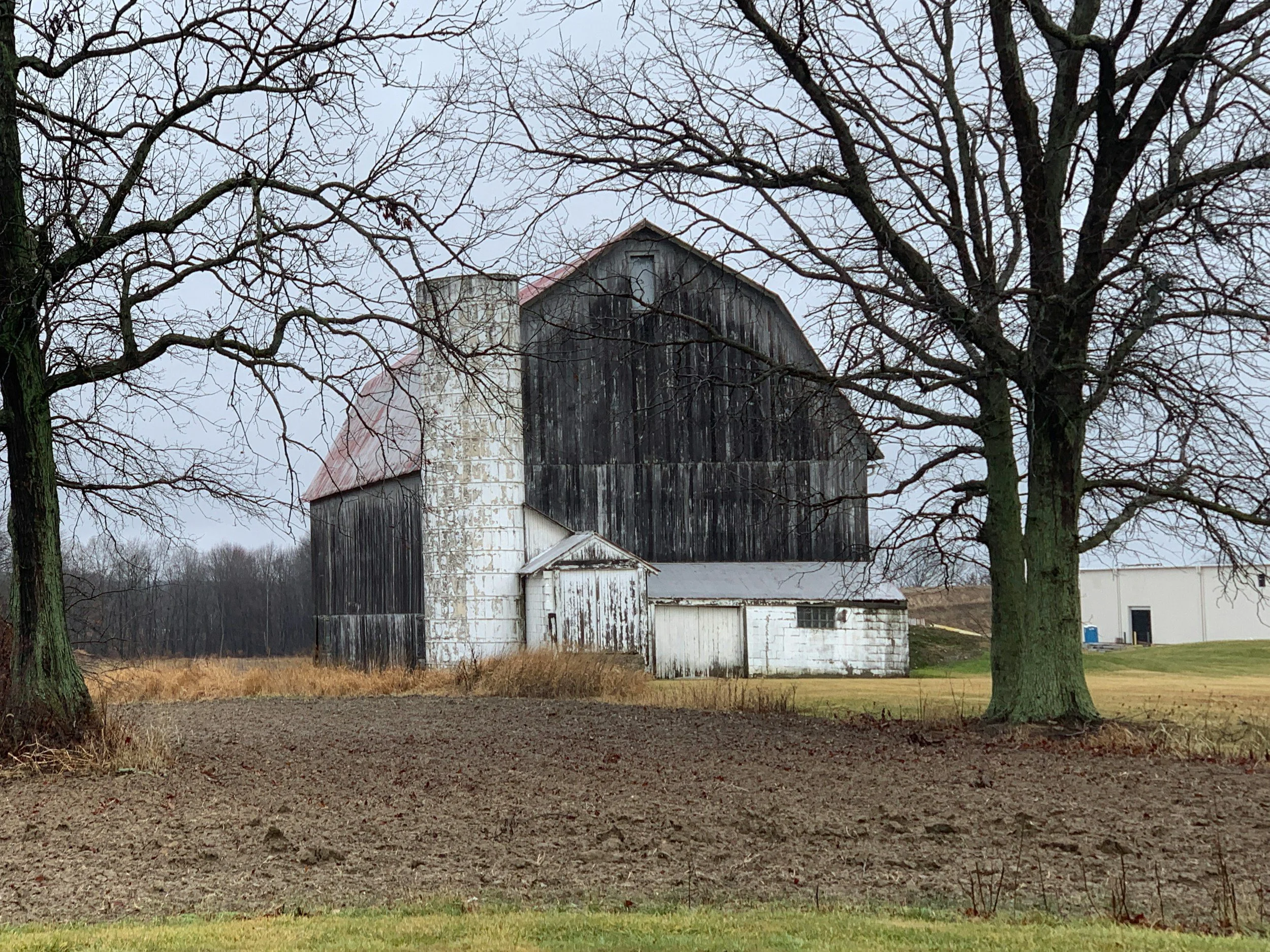
Almus was awake before the crow of the cock and before the sun lit the black sky grey. It was a cold morning but no colder than yesterday nor any colder than it would be the next. He breathed a sigh and then another. Each breath was a cloud. It was winter in north Georgia. He had never known winter in Miami.
He was always up early having never slept much, not as much as he once slept. If only it were an issue of the bladder and not the mind. The bladder, that he could control, but not the racing thoughts, the rehearsed regrets, and the deep sense of anxiety and dread growing within his bones much as shadow at the terminus of day.
The floor of the small, old, farmhand house creaked as he wriggled out of bed, first standing and then stretching. Ample crepitus joined in with the cracks and pops in the now daily symphonic performance as two maestros reached harmonious crescendo.
The day was here. Soon it would be light. The day always comes. The night always follows the day. Then there is darkness. Always the darkness comes. But there is much work while there is light.
Attired in customary overalls, flannel shirt, leather work boots and well-soiled “CAT” ball cap with kettle on the boil, Almus gazed out through the frosted, paned window toward the old, grey barn. For a reason he could not explain, it always made him smile, that old, grey barn.
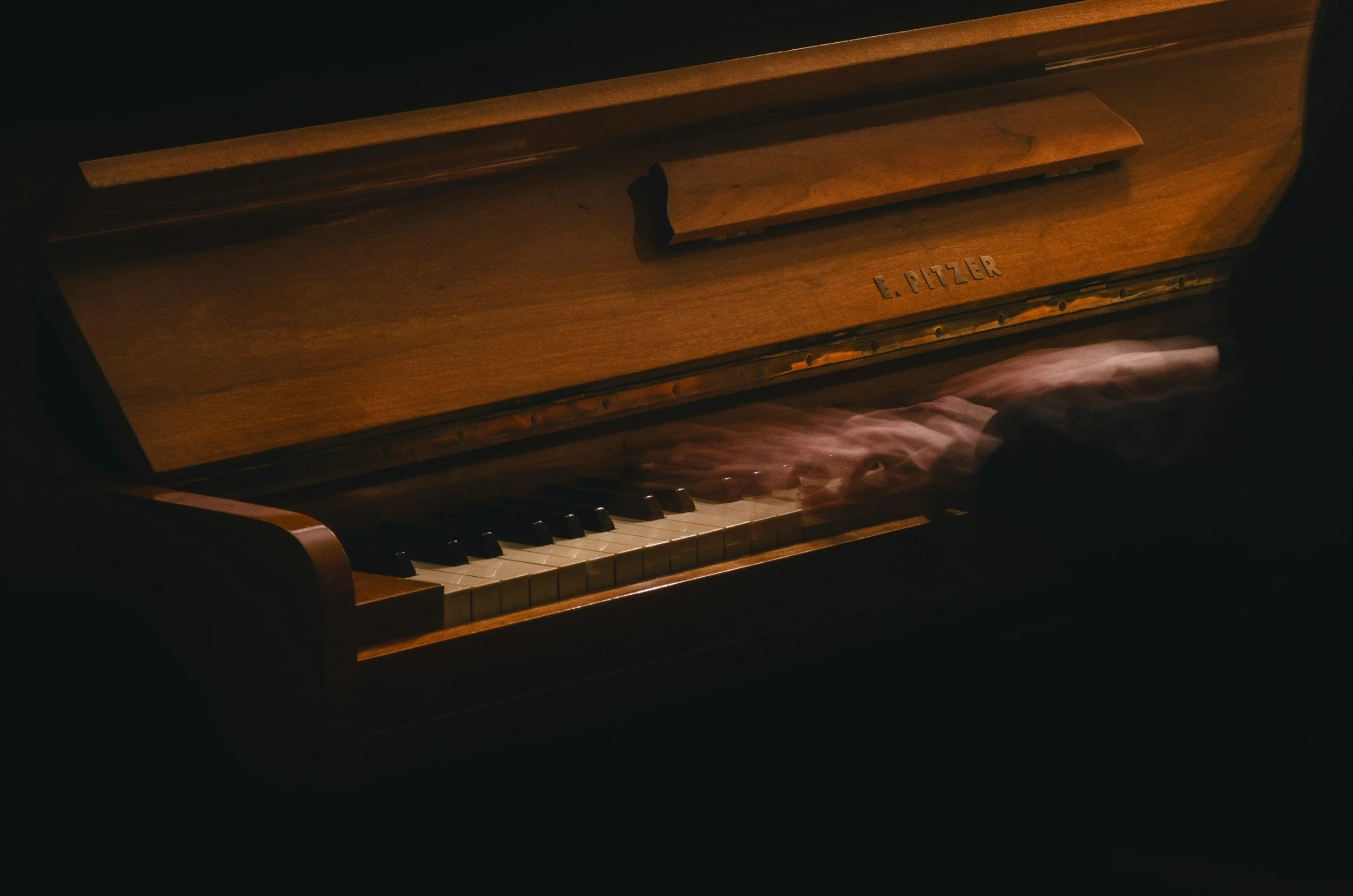
When pondering Rowell’s “questions on the thing itself,” the whole lot of questions seems to hinge around the first question—What is its substance? In philosophy, the substance of a thing is equivocal with the thing’s essence, essence referring to that which makes a thing X just in fact X. So, what is it that we count the essence of Mozart’s “Minuet”?
We are tempted to, initially at least, describe the essence of the piece (or any other piece of music) in terms of the sum of its parts of expression or manifestation, i.e., the written score, the physical medium through which it is expressed, the causal effect of the musician upon a given instrument, the electrochemical neural cascades in the brain, etc. As we scrutinize this view more closely, we find it grossly inadequate as it seems clearly to us that there is something behind this limited picture, though what it may be we find hard to access and describe. It is tempting to speak of the substance of the musical piece itself as being transcendent but this is not without problems of its own as we cannot help but acknowledge the immanence of musical experience.
Discovery
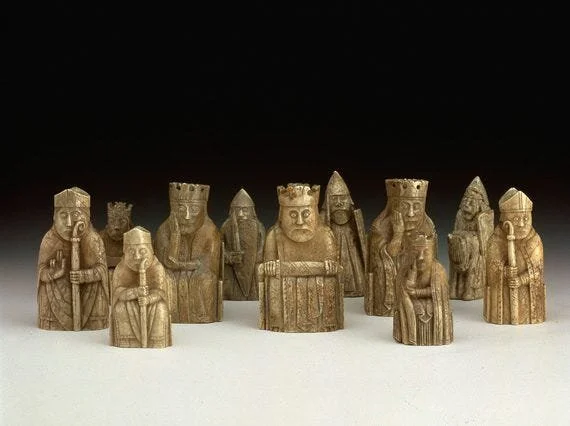
On one account, it is said that the Isle of Lewis Chessmen were discovered in 1831, partially buried in Uig Bay, on the west coast of the Isle of Lewis (in the Outer Hebrides of Scotland) by one Malcolm Macleod who had tracked a cow that had strayed from the herd. As luck would have it, he happened upon a partially buried stone case containing the chessmen along with a number of other gaming pieces.
However, the veracity of this account is contested and the actual discovery story of the pieces remains a mystery. Another account has them being found in the ruins of a monastery and yet another in a souterrain (an Iron Age stone cellar).
What we do know is that they first appeared in Exhibit at the Society of Antiquaries of Scotland in 1831 on the permission of one Roderick Rirrie.
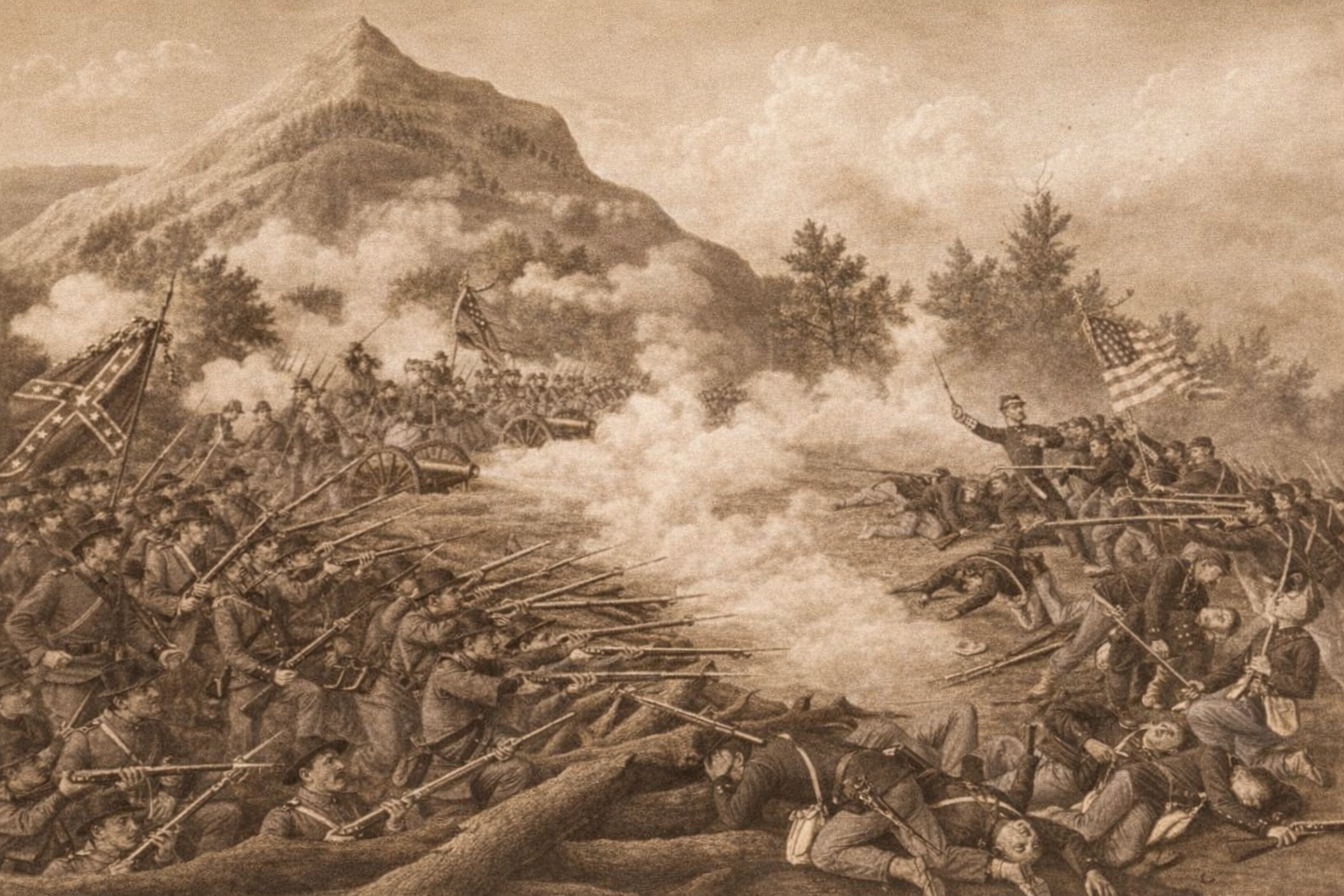
Springfields still echoed somewhere off in the growing distance as night fell. He awoke, engulfed in dark and smoke. With great difficulty, he drew for breath and it pained him. He pulled himself up against a lone, tall pine at field’s edge and, back against the tree, put his fingers to the holes in his chest left there by the Minié balls. He coughed a choking cough. Bright, red blood streamed from the corners of his mouth and the holes in his old, grey coat leaked froth.
Surveying the aftermath of the battle, he could recognize nothing resembling human life remaining. Here he sat, by all appearances, the lone survivor. The blue coats must have mistaken him for dead, an honest mistake, else he would himself now be dead. No matter, death would come soon enough. There was no field surgeon now and nothing that a good doctor could do for such wounds save numb sensation of body and mind with what barely passed for whiskey and, if so inclined, as oft good souls were, provide some company until the end.